01
March – May
Spring
- Clear winter debris from valleys and gutters
- Check ridge and hip caps for lifting
- Look for cracked or blistered shingle tabs
Cadruneli Roofing is a fictional template built around a simple idea: two small tune-ups a year — spring and autumn — keep shingles, gutters, flashing and vents in check long before a leak shows up on the ceiling.

Seasonal planner
Spring & autumn checklists included
The maintenance planner
Each season asks a few specific questions about the roof. Walk the card, tick what you see, and book a tune-up only where something needs attention.
March – May
June – August
September – November
December – February
The checklists are illustrative. A real tune-up confirms them on the roof — the template shows the intake flow at /estimate.
What a tune-up covers

Service overview
The template focuses on roof maintenance and tune-ups — the unglamorous work that catches problems while they are still small.
Debris cleared from valleys and gutters, ridge caps checked, and a short photo log of anything that needs a closer look in summer.
Leaf build-up removed before frost, loose fasteners re-seated, and granule loss logged per slope so wear is tracked year over year.
Chimney, skylight and vent flashing is the usual entry point for water. Each one is inspected and re-sealed where needed.
An illustrative walkthrough of what a seasonal report card would show, so homeowners know the roof before the ceiling does.
Sample project cards
Each card records a tune-up type, a season and the work logged. The three below are illustrative examples for the template, not completed jobs.
 Illustrative
Spring · Tune-up
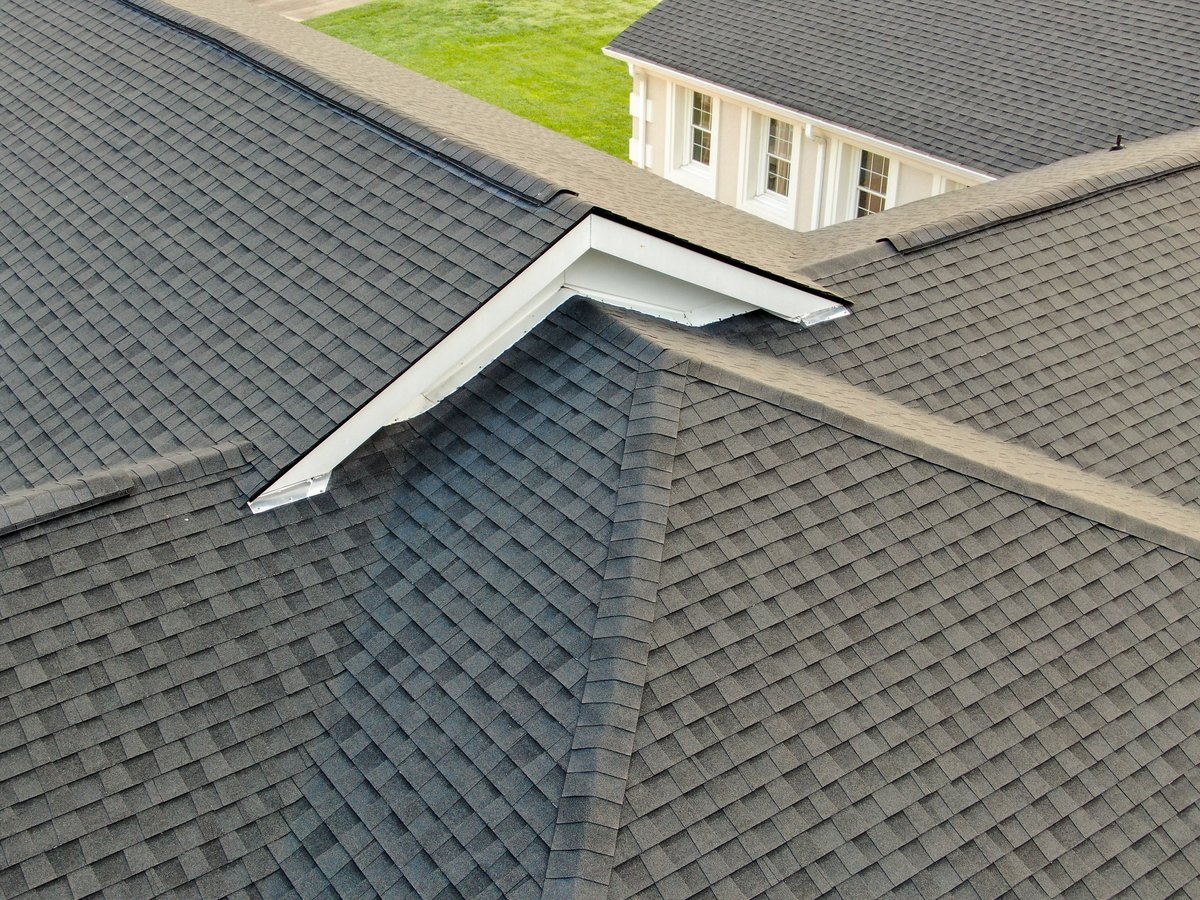
Illustrative log of a two-slope house: debris cleared from two valleys, one ridge cap re-seated, three loose tabs noted for autumn.
 Illustrative
Autumn · Tune-up
Illustrative log of a chimney and skylight flashing check before frost, with new sealant and a photo record attached to the report.
 Illustrative
Winter · Walk-through
Illustrative log of a metal roof checked for panel lift and ice-dam risk at the eaves, with gutters re-pitched at two points.

How the template flows
Use the seasonal planner to note what you can see — gutters, tabs, flashing, venting.
Roof type, age, slope count and access, so the tune-up scope is clear before anyone climbs.
Choose a spring or autumn slot that matches the season when the issue is easiest to fix.
Estimate intake preview
The estimate page uses a structured intake — roof type, age, number of slopes, access and the signs you have noticed. This preview shows the example answers pre-filled.
Read-only demo
These fields are examples. They cannot be edited, submitted or stored, and there is no address, phone number or email collected anywhere in this template.
Roof tune-up request
Example answers · not a real submission
Questions
These answers describe how the template frames maintenance. They are template copy, not a service promise.
Small seasonal checks — gutters in spring, shingles and flashing in autumn — catch wear while it is still a sealed seam or a single lifted tab, rather than a saturating deck below.
The template's tune-up covers four areas: drainage (gutters and valleys), the shingle field (tabs, nails, granules), the penetrations (flashing and vents) and ventilation at the ridge and soffits.
Both edges of winter do the damage. Spring clears what winter dragged in; autumn seals what frost and ice will test. The planner is built around those two windows.
No. The estimate page is a read-only preview with example answers. Nothing is submitted, stored or emailed, and no address, telephone or email is collected.
No. Cadruneli Roofing is a coined brand for a fictional website template. The project cards are explicitly labelled illustrative, and there are no client claims, reviews or guarantees.
Yes — the template is written as reusable sections: a seasonal planner, a service list, labelled sample projects and an intake preview. Swap the copy and imagery and the structure stays.
Explore the template